

YOU Are The Hacker’s Shortcut In
Hackers don’t always kick in the digital door. Sometimes, they just talk you into opening it. This is social engineering;...
Read More →

The Costliest Cyber Fails in History
Cyber disasters don’t start with genius hackers in hoodies.They usually start with something simple. A missed update. A gullible click....
Read More →

Why Are Hackers Ignoring Big Corporations and Targeting Your Mid-Sized Business Instead?
A hacker does not always choose the biggest company in the market. They often choose the company with enough money...
Read More →

When Your Files Are Gone, They’re Gone
Let me tell you the truth about data loss. It doesn’t happen when you’re sitting around with free time and...
Read More →

Is Your Managed IT Provider Secretly Behind? What AI-Powered IT Services Look Like in 2026
Your IT provider may answer tickets, install updates, monitor devices, and send monthly reports. That does not automatically mean they...
Read More →

This Is How Kids Get Into Trouble Online
Here’s the truth about online risks for kids. They don’t show up when you’re sitting right there beside them. They...
Read More →

How Managed IT Services Reduce Downtime Through Proactive Monitoring, Patch Control, and Failover Planning
Downtime rarely starts with a dramatic failure. More often, it begins with small warning signs that go unnoticed. A system...
Read More →

Is Your Cybersecurity Strategy Built for 2026 Threats Or Still Fighting 2020 Battles?
Your cybersecurity strategy may have been reasonable five years ago and still be dangerously outdated today. That is the problem...
Read More →

From Reactive Support to IT Observability: The New Standard for Managed IT Services
For many businesses, managed IT services in Kansas City has traditionally meant calling support when something breaks. A server goes...
Read More →

Backup and Disaster Recovery Services: Why Data Backup Alone Is Failing Modern Businesses
Most organizations assume their data is protected because backups exist. Systems are copied, files are stored, and recovery appears straightforward...
Read More →

When Employees Become the Weak Link
Hackers don’t need to outsmart your firewall. They just need one employee to slip up. A careless click. A reused...
Read More →
Backup and Disaster Recovery Services: How to Protect Your Business from Data Loss, Downtime, and Cybersecurity Threats
Most businesses don’t think about recovery until something fails. Operations run smoothly, systems stay accessible, and data flows without interruption....
Read More →
The Internet’s Worst Habit
Every year the list of most common passwords makes the rounds online, and every year it’s the same bad news....
Read More →

Why Smalls Businesses Need to Be Careful with AI
The recent proliferation of AI has revolutionized various aspects of business operations, including text generation. While AI-powered tools like ChatGPT...
Read More →

Guess Who’s Already Inside
Your phone is more than a phone. It is a wallet, a filing cabinet, a work desk, and a personal...
Read More →

You’re Wasting Power You Don’t See
Here’s the thing nobody thinks about:The internet isn’t some invisible, weightless cloud. It’s power-hungry. If the internet were a country,...
Read More →

The Free Wi-Fi Lie
Let’s be real: free Wi-Fi feels like a gift.Airports, hotels, coffee shops.. it’s everywhere. You tap, you connect, you’re online....
Read More →

This Is How You Kill Productivity
Here’s the thing about clutter: it’s never just about the closet, the garage, or the spare room. Clutter creeps into...
Read More →
The Next Big Threat Waiting at Your Digital Door
Businesses today are facing a ransomware threat that is more aggressive and damaging than anything seen before. Every week, organizations...
Read More →

How Hackers Cash In on Your Loneliness
Online dating has changed the game, sure. But let’s not kid ourselves, the internet is full of predators. You swipe,...
Read More →

The Remote Work Security Gap No One Talks About
Remote work has been a game-changer. Lower overhead. Happier employees. Wider talent pool. All wins. But there’s a catch: every...
Read More →
The Truth About Shadow IT
Not every cyber risk comes from the outside. Some walk right in the front door … in the form of...
Read More →

6 Habits That Quietly Decide If Hackers Win or Lose
Most cyberattacks don’t start with a mastermind hacker running lines of code in some movie-style lair. They start with something...
Read More →
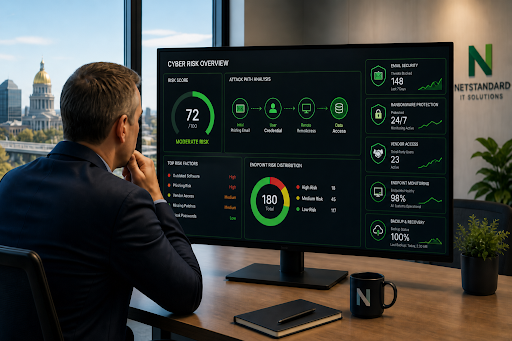
A hacker does not always choose the biggest company in the market. They often choose the company with...

Let me tell you the truth about data loss.
It doesn’t happen when you’re sitting around with free time...

Your IT provider may answer tickets, install updates, monitor devices, and send monthly reports. That...

Here’s the truth about online risks for kids.
They don’t show up when you’re sitting right there beside...

Downtime rarely starts with a dramatic failure. More often, it begins with small warning signs that go...

Your cybersecurity strategy may have been reasonable five years ago and still be dangerously outdated...

For many businesses, managed IT services in Kansas City has traditionally meant calling support when...
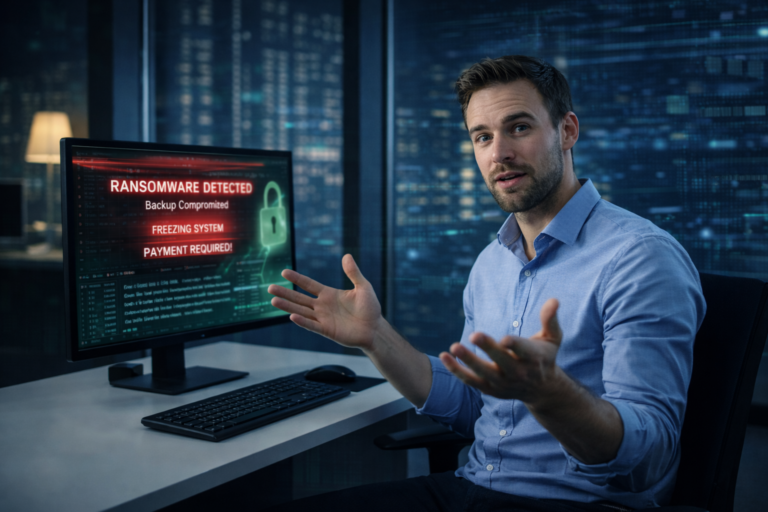
Most organizations assume their data is protected because backups exist. Systems are copied, files are...

Hackers don’t need to outsmart your firewall. They just need one employee to slip up.
A careless click....
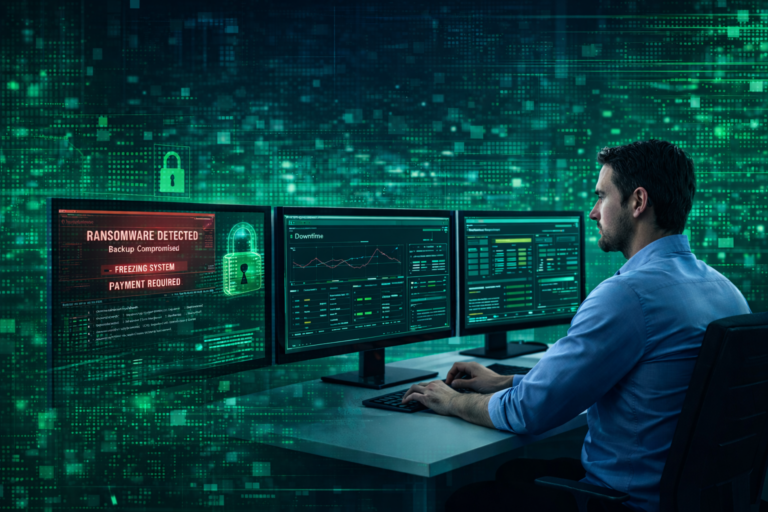
Most businesses don’t think about recovery until something fails. Operations run smoothly, systems stay...